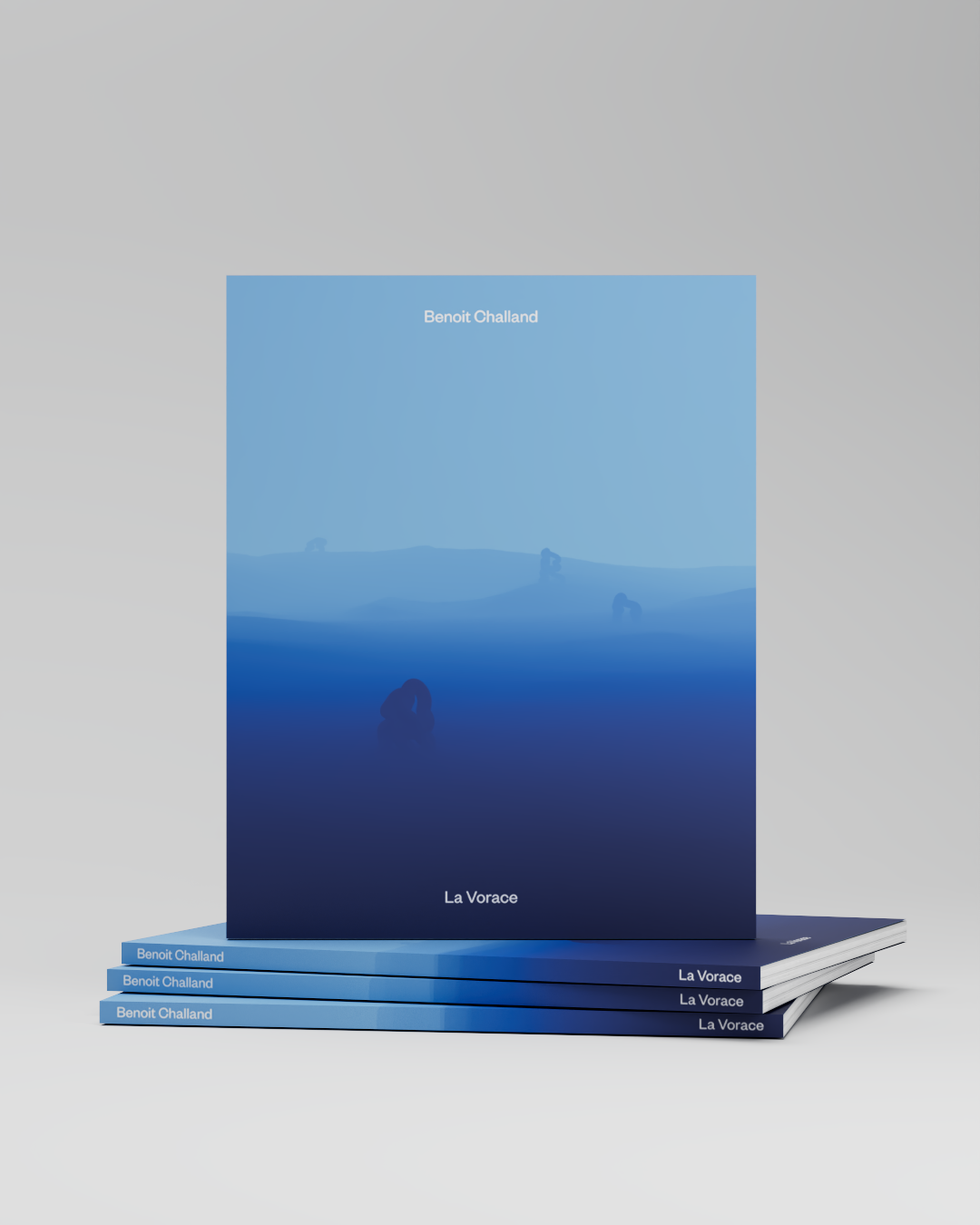
an exhibition by Benoit Challand
Imagine a reality where emotions do not dissolve into thin air, but instead feed voracious organic forms. Entities previously invisible, flourishing in response to emotional intensities.
From March 13 to May 15, 2026 at Galerie A+E, Paris.
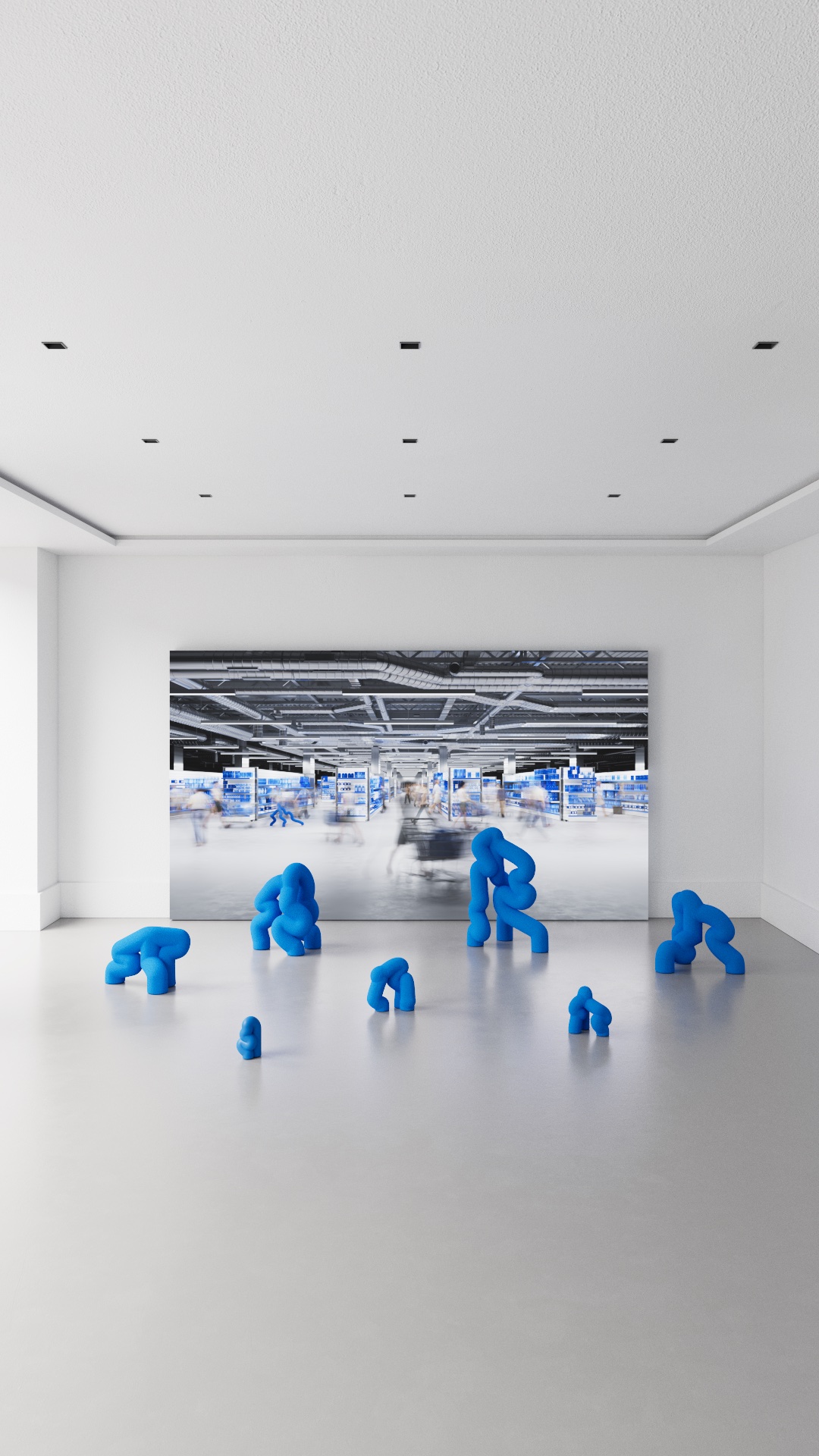
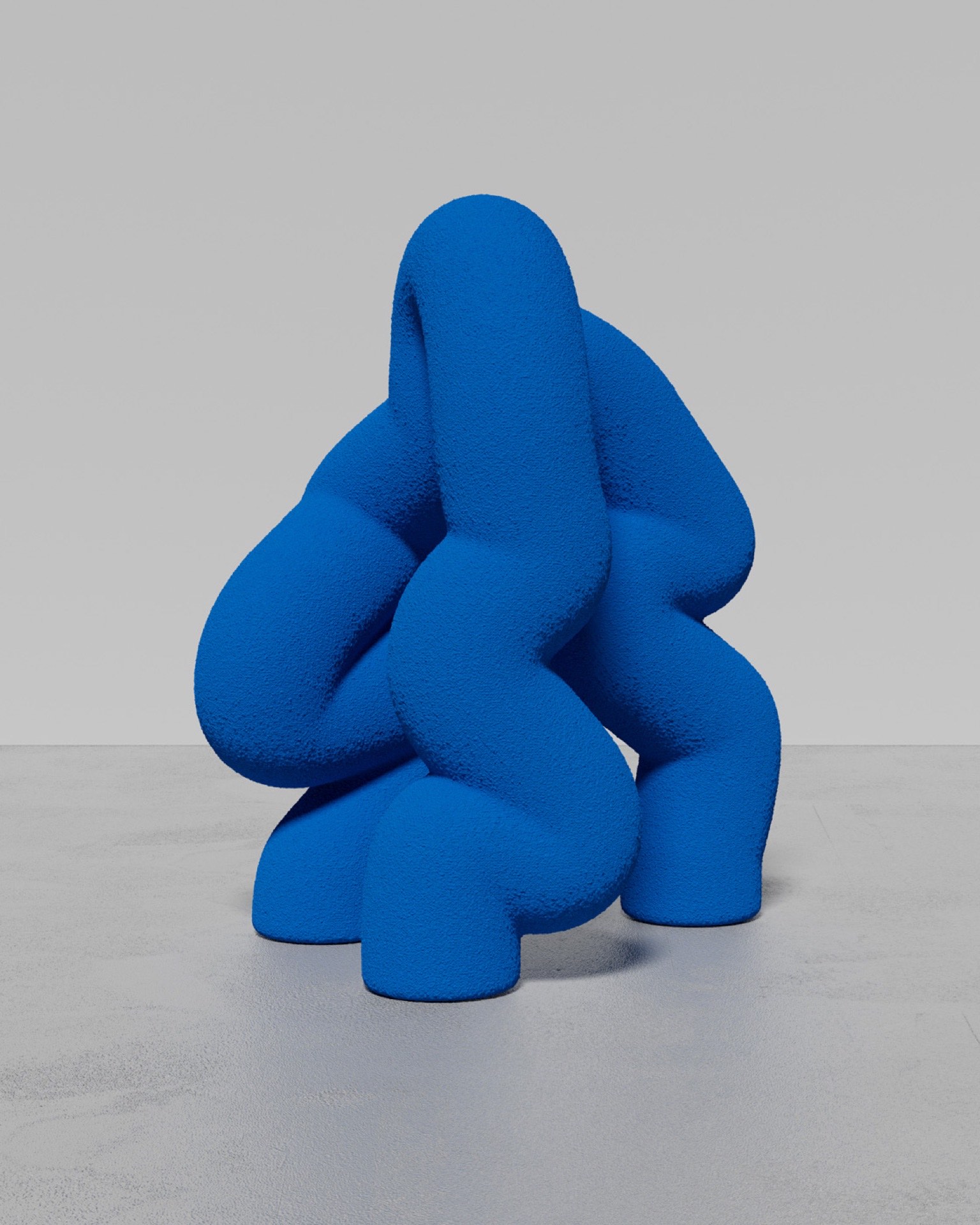
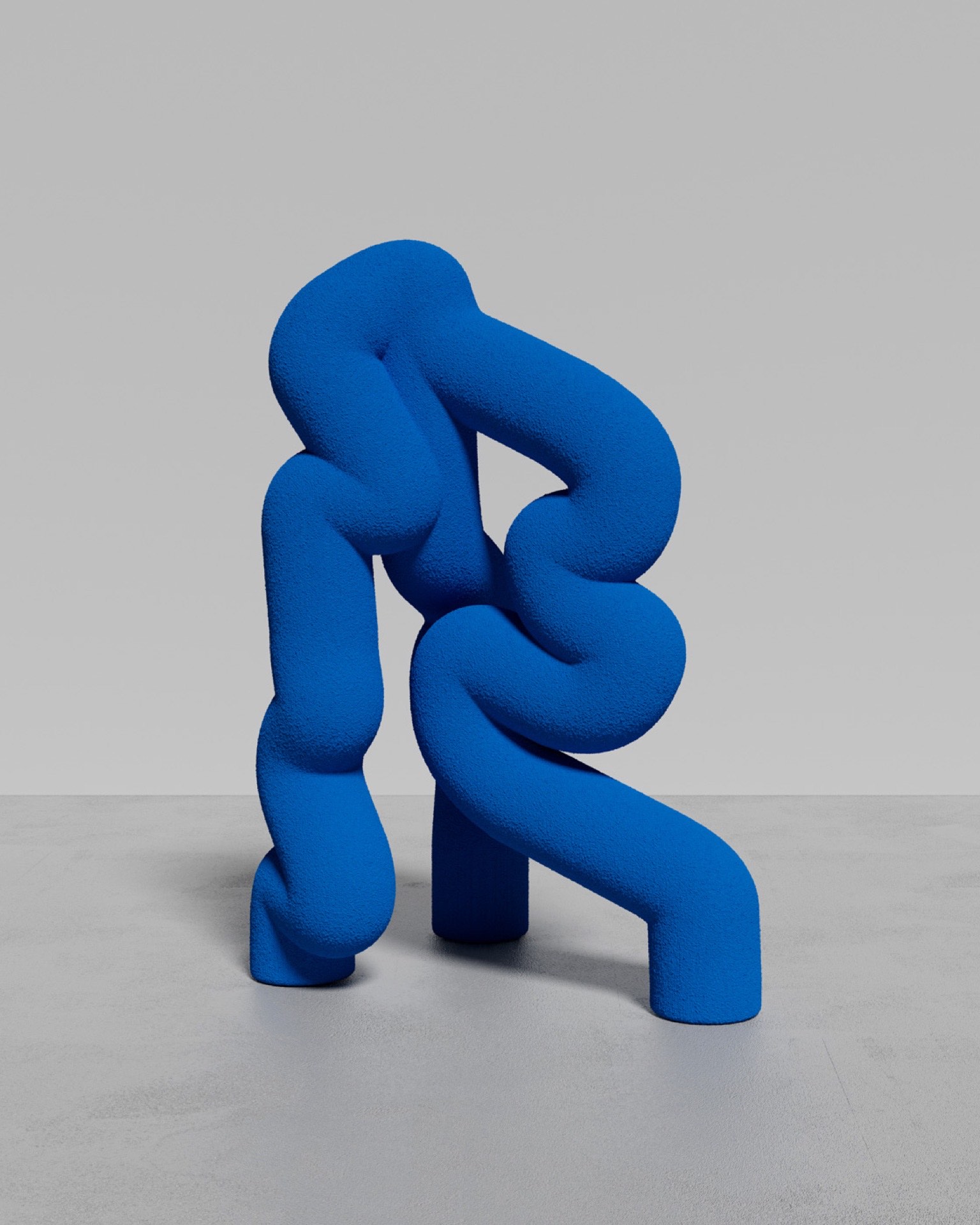
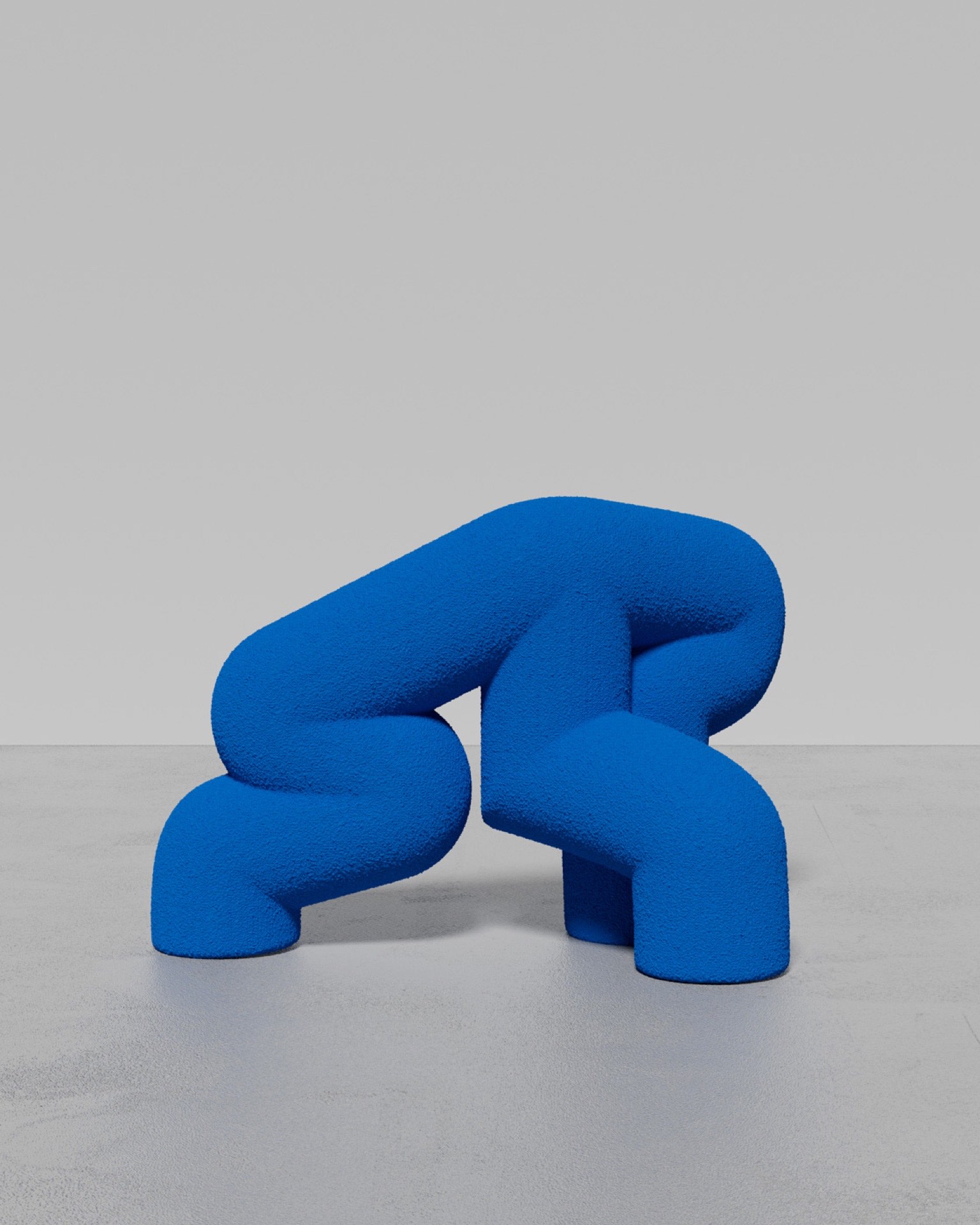
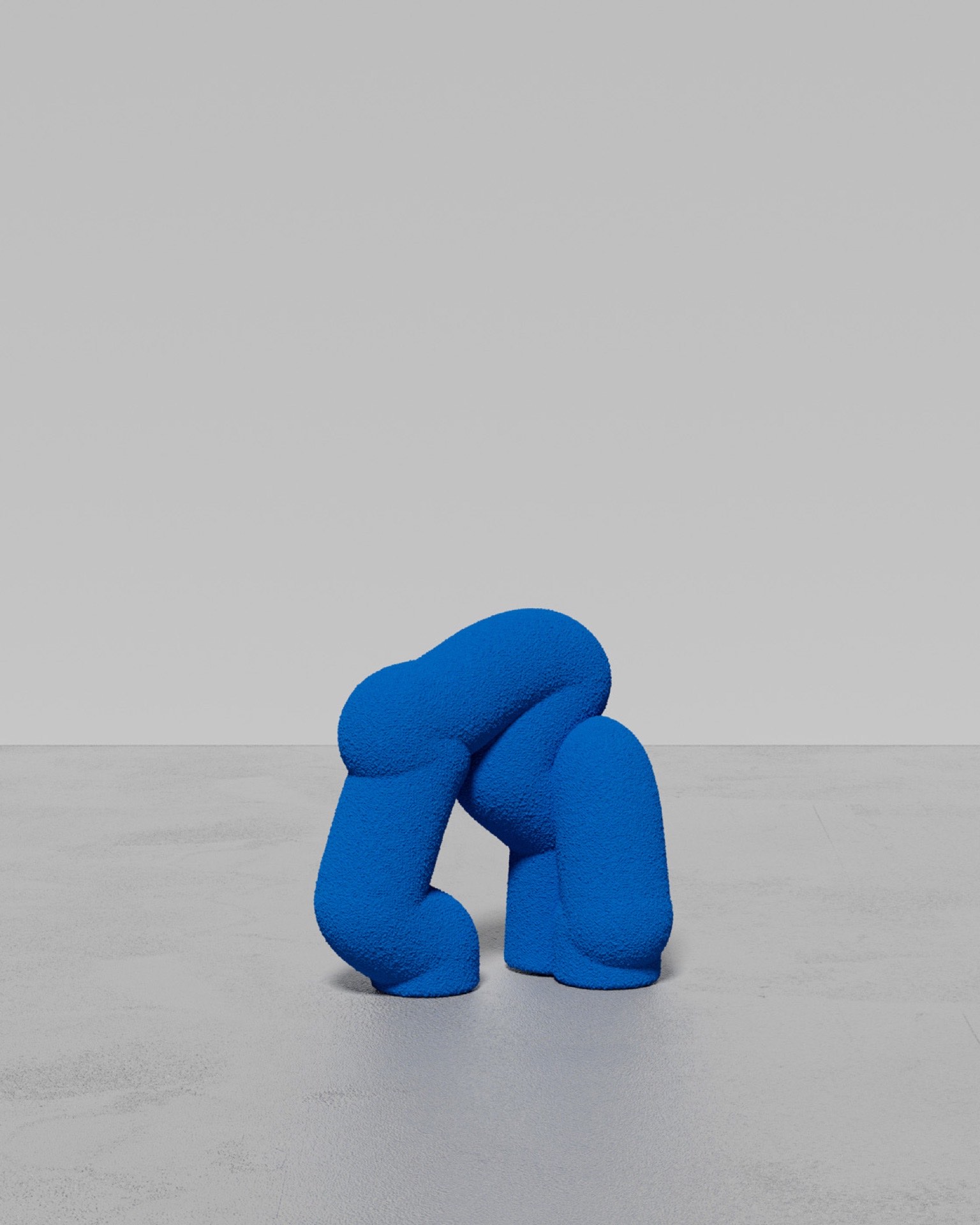
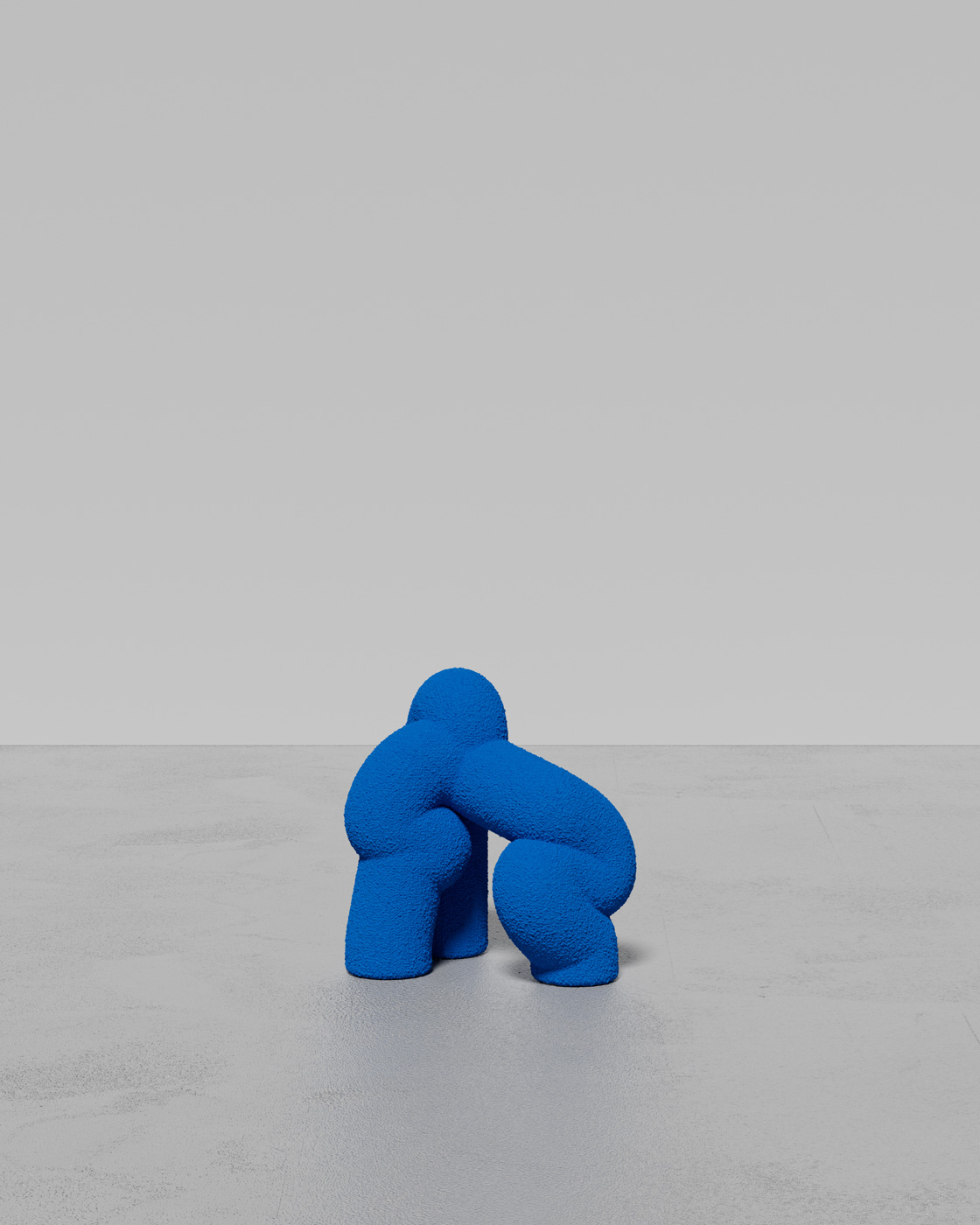
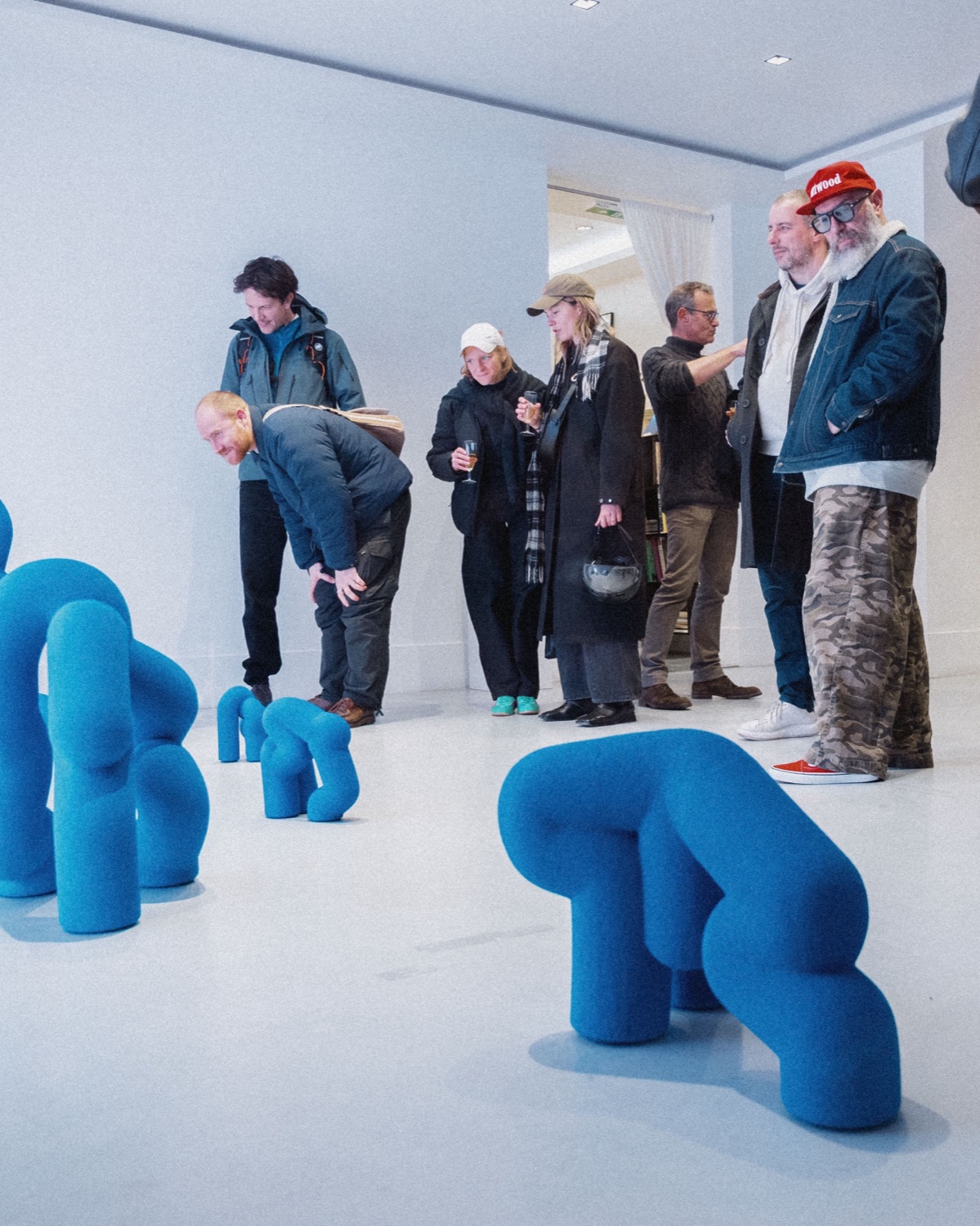
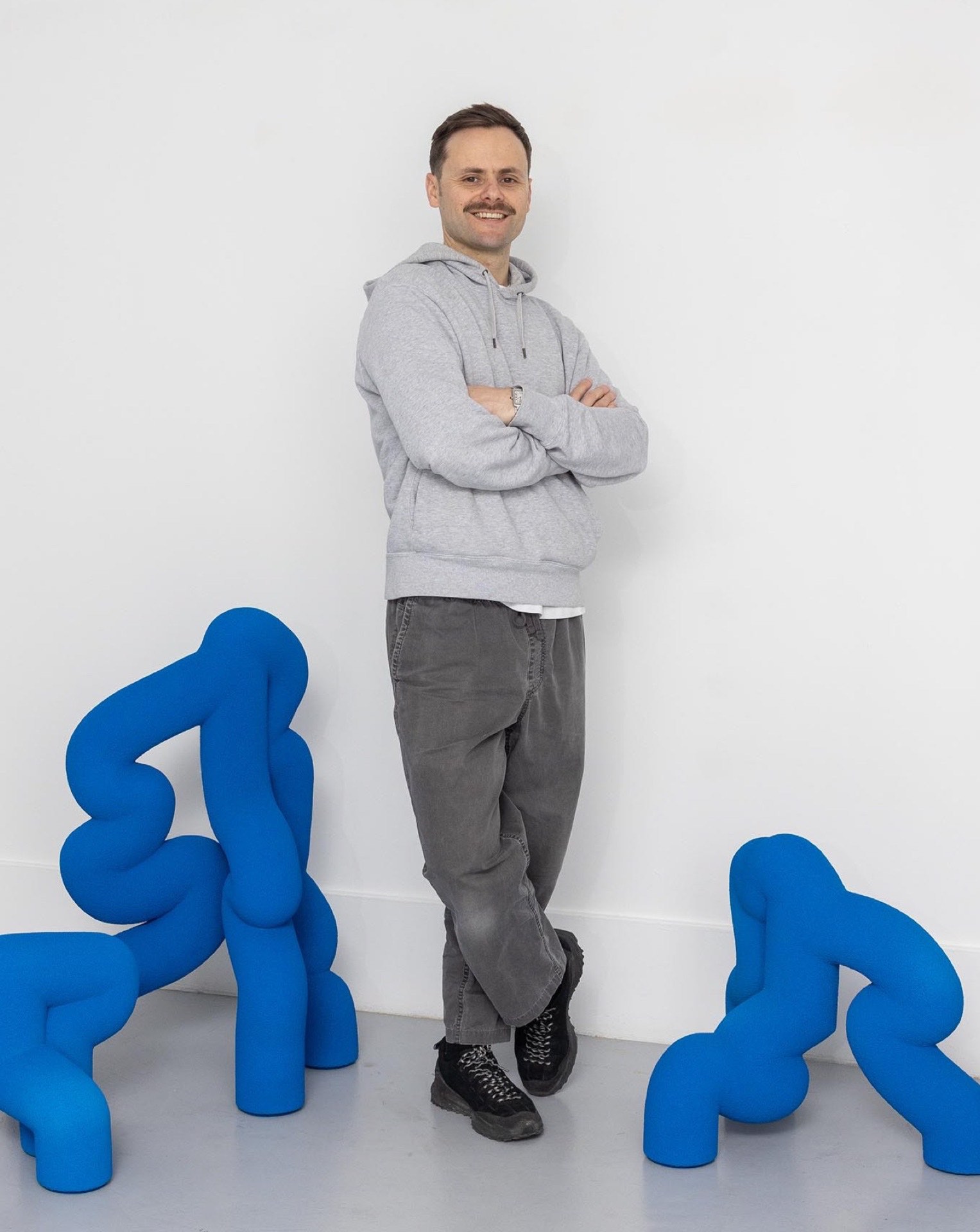
La Vorace is an emotional organism that proliferates across our physical and digital architectures, absorbing the anxieties, desires, frustrations and exaltations that saturate our environments. It materialises as colourful, tentacular, ever-growing masses whose thickness and density reflect the affective intensity of a place: the more tension in a space, the more the form swells, thickens, colonises.
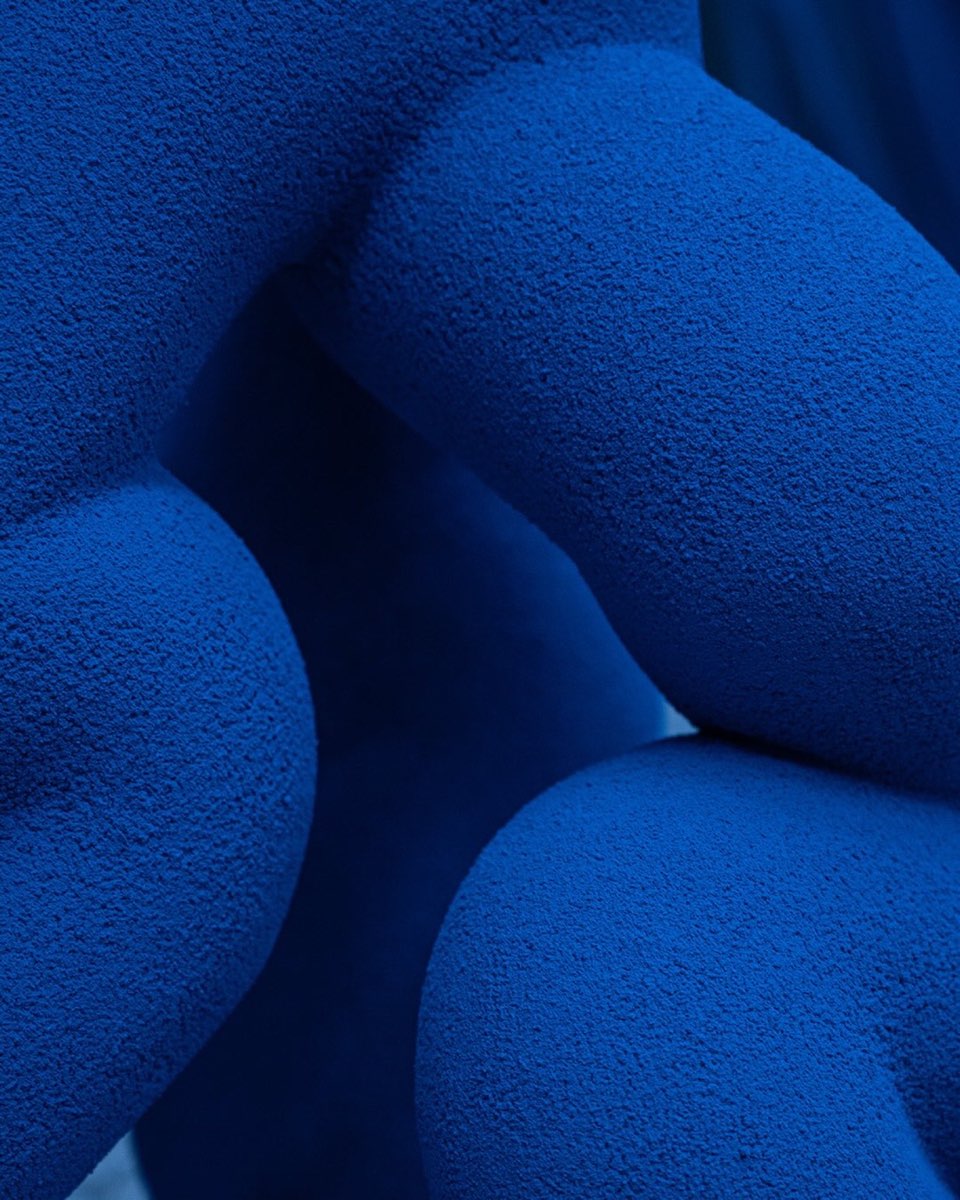
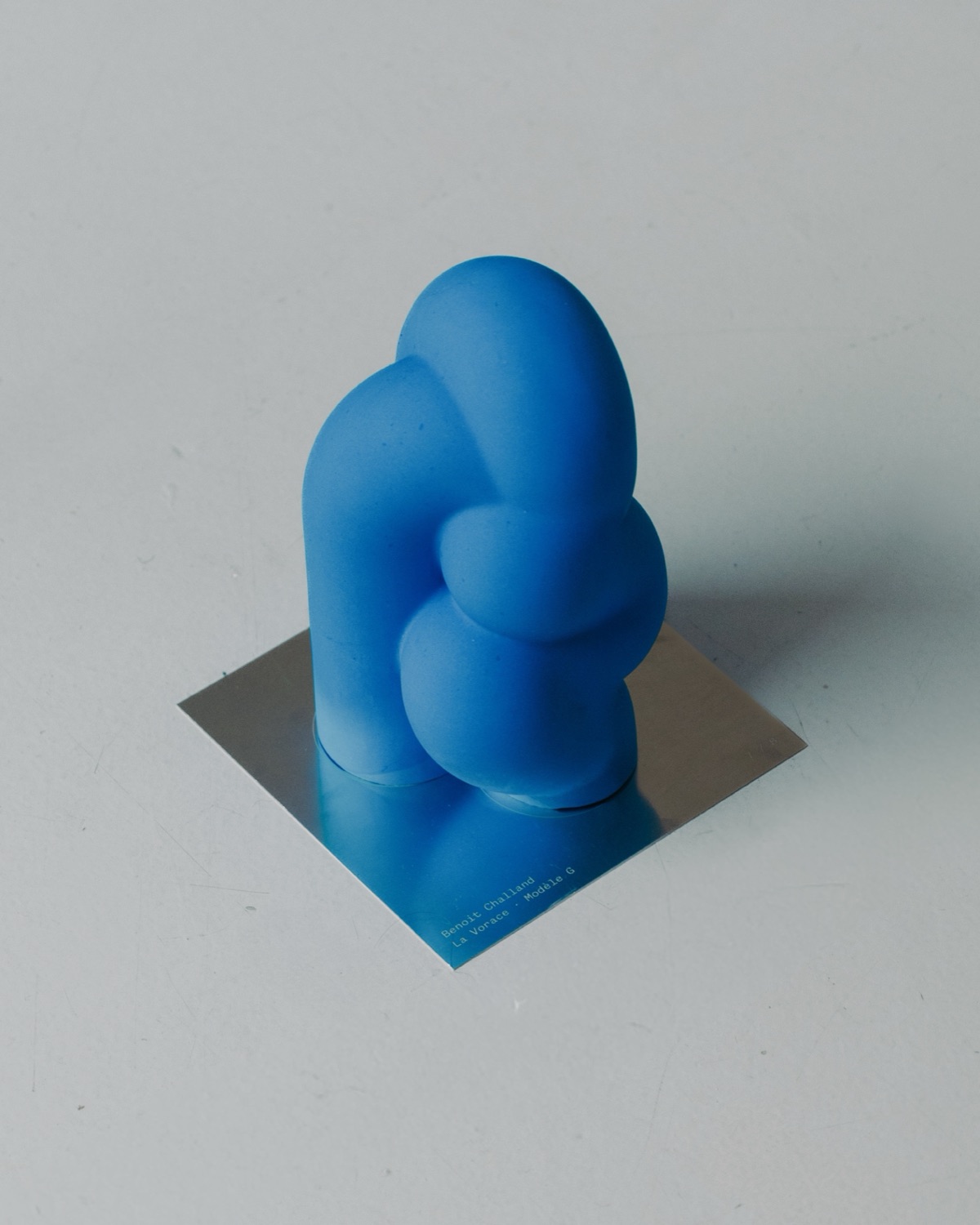
Drawing on 3D and post-digital sculpture, Benoit Challand shifts this invisible field of emotions into matter: surfaces, textures, heavy and rough volumes in tinted jesmonite or printed forms become the physical deposits of our affective flows.
Fields of emotions · Airport
La Vorace spreads across building walls as readily as it inhabits an image feed, acting as a sensitive barometer of the emotional overconsumption and hyperstimulation that define contemporary societies.
La Vorace imagines a world where emotions do not fade when felt: they sediment, accumulate, then feed voracious organic forms that colonise space. These entities, usually invisible, become colourful, branching, tentacular masses in continuous growth.
Conceived as an emotional organism, La Vorace materialises the tensions, desires and affective flows that run through both our physical architectures and our digital environments. The work does not merely sound an alarm: it stages the possibility of an emotional ecology.
The project oscillates between warning, mirror and speculative fiction about our affective futures.
What sets La Vorace apart is first and foremost its ability to make the invisible visible: emotions, usually perceived as immaterial, become tangible volumes endowed with weight, colour and texture.
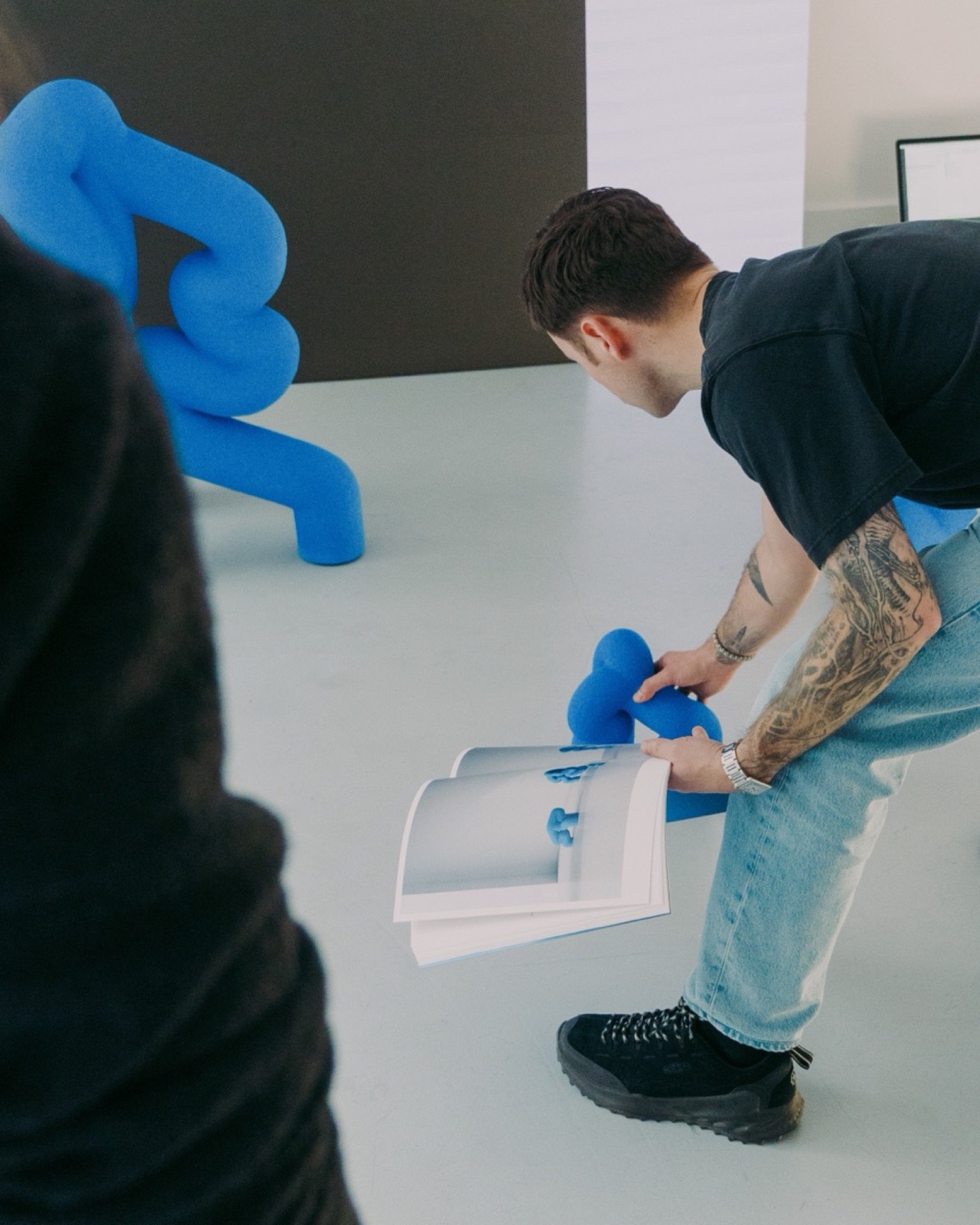
The project is built on a constant back-and-forth between digital and physical, conceived as a mirror between mind and body. The digital medium — fluid, malleable — becomes a tool for sculpting solid, heavy forms, often realised in jesmonite pigmented throughout.
This analogy between mental and material plasticity distinguishes La Vorace from much data-driven practice: here, the aim is not to visualise data, but to embody affective states, their overflows and their scars.
The project engages with the debates of digital and post-digital art, while setting itself apart through its emphasis on affect and emotional imaginaries.
Benoit Challand's work is built around space as a creative sanctuary — understood not only as what one sees, but as what one leaves behind: energy first, and increasingly, emotional imprint.
Committed to digital tools, the artist develops a practice that combines 3D, digital sculpture, photography and film, before transferring this research into 3D printing, casting, projection and installation.


At the heart of La Vorace lies a question: to what extent do our emotions function as a compass guiding our individual choices and, by extension, our collective futures? By materialising these affective flows, the project invites us to consider emotions not as fleeting reactions, but as structuring forces.
With contributions by Paul Mouginot, Marlène Corbun, Matthieu Debay, Primavera De Filippi and Matthieu Lelievre.
Born in 1987, he lives and works in Lyon. Trained for five years at the Bellecour art school in Lyon, he began his career in 2009. Since then he has explored space as a creative sanctuary, questioning what we leave behind after passing through — first in terms of energy, and more recently in terms of emotional imprint.
Working at the intersection of the physical and the virtual, he sculpts in the language of algorithms and gives shape to dreams rendered in polygons. His current research dissolves the membrane separating pixel from particle, exploring the porous territories where the digital seeps into the physical world.
His work has been shown at the Musée des Archives nationales and the Musée des Arts décoratifs in Paris, and has been published in Wired, The Times, Art Travel, Le Monde, IDN.